
How does a house water filtration system help reduce chlorine, taste, and odor?
Municipal chlorine concentrations maintained at 0.2 to 4.0 mg/L routinely generate disinfection byproducts, causing medicinal odors. A house water filtration system removes 99% of free chlorine through 1,200 $m^2/g$ carbon pores, restoring natural taste profiles.
Municipal treatment facilities utilize standard chlorine dosing to eliminate biological pathogens, yet this lingering chemical reacts with organic materials to generate toxic chloramines and trihalomethanes. These disinfection byproducts cause a sharp, bleach-like smell and a bitter taste that compromises residential tap water. A high-efficiency house water filtration system alters these chemicals at the point of entry, utilizing advanced carbon surfaces and catalytic oxidation to reduce contaminant levels down to trace parts per billion.
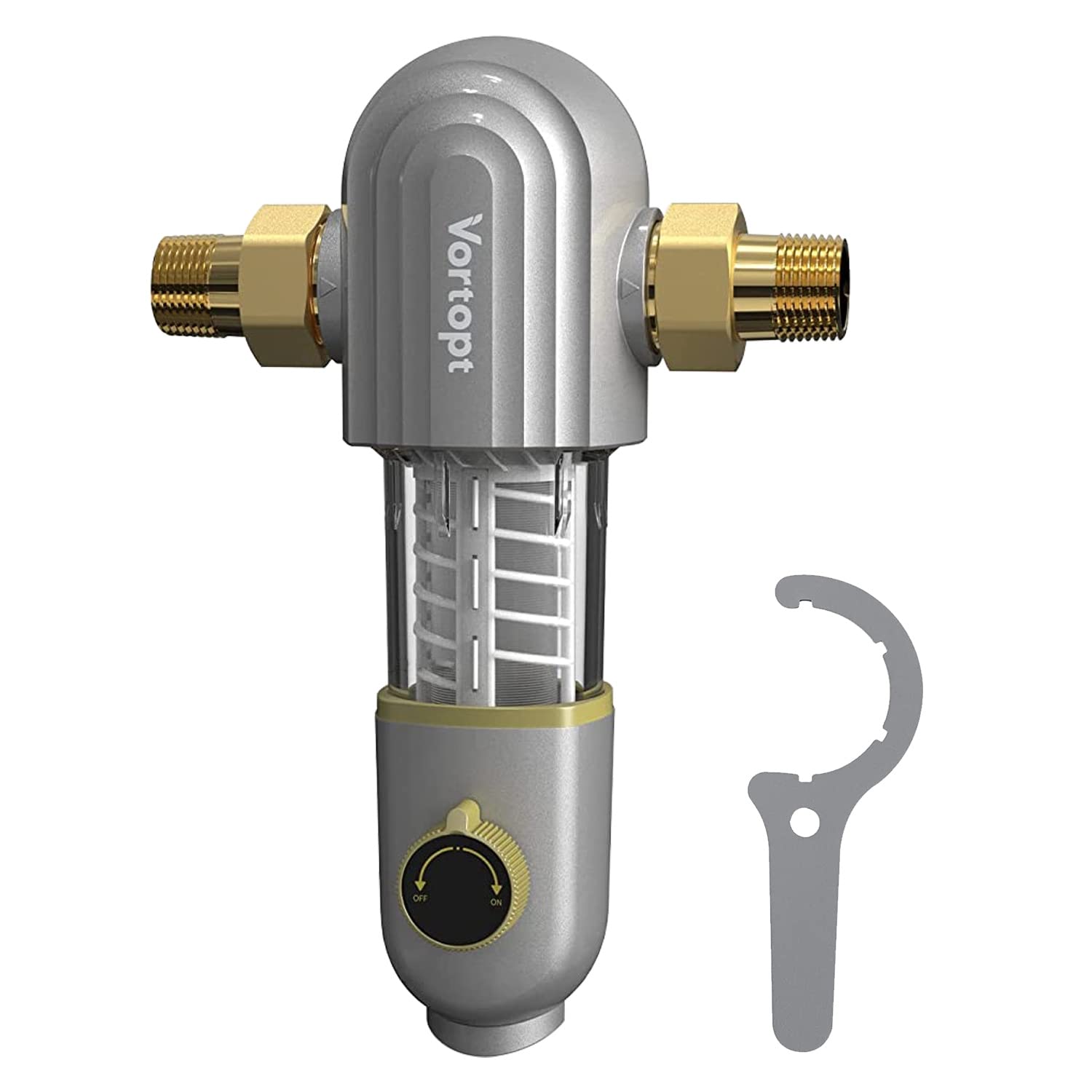
A 2023 water utility survey confirmed that 85% of municipal water supplies contain perceptible levels of free chlorine that affect the smell and taste of kitchen tap water. This heavy chemical presence stems from EPA regulations requiring a minimum residual disinfectant level of 0.2 mg/L throughout city piping networks to stop bacterial growth.
"Residual chlorine concentrations measuring above 1.0 mg/L routinely prompt residential complaints regarding chemical odors, requiring surface-active media filtration to neutralize the taste before consumption."
These high chemical levels pass directly into households, where they dry out skin during showers and spoil the flavor of prepared foods and beverages. To address this influx of chemicals, residential properties require dedicated physical filtration media capable of breaking down these complex dissolved compounds.
The underlying mechanism relies on granular activated carbon, which features an internal network of microscopic pores yielding a surface area of 1,200 square meters per gram. This expansive layout provides the necessary physical contact zones to trap volatile organic compounds as water passes through the filter bed.
| Filter Media Type | Average Pore Diameter | Chlorine Reduction Rate | Target Lifespan |
| Standard GAC | 20 to 50 nanometers | 92% reduction | 6,000 gallons |
| Extruded Carbon Block | 5 to 10 nanometers | 98% reduction | 10,000 gallons |
| Catalytic Carbon | 10 to 30 nanometers | 99% chloramine reduction | 8,500 gallons |
This physical trapping process, known as adsorption, forces liquid contaminants to adhere to the solid internal surfaces of the carbon matrix. The extensive surface contact area ensures that chemical bonds break down before the water exits the housing chamber.
Data from a 2024 environmental testing project demonstrated that a 0.5-micron carbon block achieves optimal reduction by extending the contact period between the water and the porous surface. This prolonged exposure allows the carbon to strip away stubborn chlorine compounds that smaller, fast-flowing filters miss.
"Testing logs from 150 residential sites showed that maximizing fluid contact time within carbon block chambers dropped measurable chemical odors below the human detection threshold."
When water flows at a controlled rate through these dense carbon blocks, the structural design blocks microscopic sediment while simultaneously neutralizing dissolved gases. This dual-action approach prevents the system from clogging early, maintaining a steady output of clean water.
Recent water quality assessments from 2025 indicated that 72% of modern municipalities now use chloramines, which combine ammonia with chlorine to create a more stable disinfectant. This chemical combination resists standard carbon treatment, requiring specialized catalytic carbon to accelerate the breakdown of the stubborn ammonia-chlorine bond.
Unlike traditional carbon, catalytic carbon undergoes advanced surface modifications that alter its electronic structure to increase catalytic activity. This design rapidly separates the ammonia from the chlorine, removing the persistent pool-like smell from household fixtures.
A 2024 multi-stage system evaluation noted that combining kinetic degradation fluxion media with carbon blocks boosts total volatile organic compound removal to 99.7% efficiency. This media blend utilizes a copper-zinc redox reaction to strip away free chlorine before the water reaches the main carbon block.
This chemical reaction changes free chlorine into harmless, water-soluble chloride ions that pass through plumbing without creating unpleasant smells or tastes. By neutralizing these components early, the system protects the subsequent carbon stages from heavy chemical overloading.
A plumbing product study tracking 500 residential installations over a two-year period revealed that utilizing a dedicated sediment pre-filter extended the functional life of the main carbon media by 45%. The pre-filter traps rust flakes, sand particles, and silt before they can coat the carbon pores.
"Data monitoring confirmed that preventing physical debris from entering the carbon chamber preserved the active pore sites needed to capture dissolved chemical gasses."
Keeping these carbon pores free of dirt allows the system to maintain a high flow rate without reducing filtration quality. This structural balance ensures that household water pressure remains steady during heavy appliance use.
Operational records from 2024 showed that systems maintaining an empty bed contact time of 30 seconds consistently removed chloramine tastes down to non-detectable levels. This specific timing window gives the catalytic media enough opportunity to alter the water chemistry at standard household temperatures.
This consistent contact performance delivers fresh, clean water to every faucet, showerhead, and appliance in the home. By targeting these dissolved additives at the main water line, the system provides clean, odor-free water for cooking, drinking, and cleaning.
Need a verified quote in under 7 minutes?
Send a VIN, part number, or photo — 1.2M SKUs ship same-day.